Gut Microbiome Explained: What It Is, Why It Matters & How to Support It

Gut HEALTH & Microbiome
Gut Microbiome Explained: What It Is, Why It Matters & How to Support It

By Dr. Shivaji Bachhav
Published: [31.08.2026] · Updated: [31.08.2026]
The gut microbiome is a complex community of microorganisms living in your digestive tract. Learn what it does, what influences it, and practical evidence-informed ways to support a healthy gut microbiome.
Your digestive system is home to a remarkably diverse community of microorganisms. Together, these bacteria, fungi, viruses, archaea, and other microbes form what we commonly call the gut microbiome.
Far from being passive passengers, these microorganisms interact with the food you eat and with many processes throughout the body. They can help break down components of food, produce biologically active compounds, interact with the intestinal environment, and influence immune and metabolic processes.
But the microbiome is not a simple list of “good” and “bad” bacteria.
It is a dynamic ecosystem that differs from person to person and can change over time in response to diet, medications, lifestyle, environment, and other factors.
That is why supporting your gut microbiome is less about finding one magical food or supplement and more about creating conditions that support a resilient, diverse microbial community.
In this guide, we’ll explore what the gut microbiome is, why researchers are interested in it, what can influence it, and practical habits that may help support your digestive and overall wellbeing.
1. What Is the Gut Microbiome?
The gut microbiome refers broadly to the community of microorganisms and their genetic material living in the gastrointestinal tract.
The term gut microbiota is often used to describe the microorganisms themselves, while microbiome can refer more broadly to the microorganisms and their genetic material.
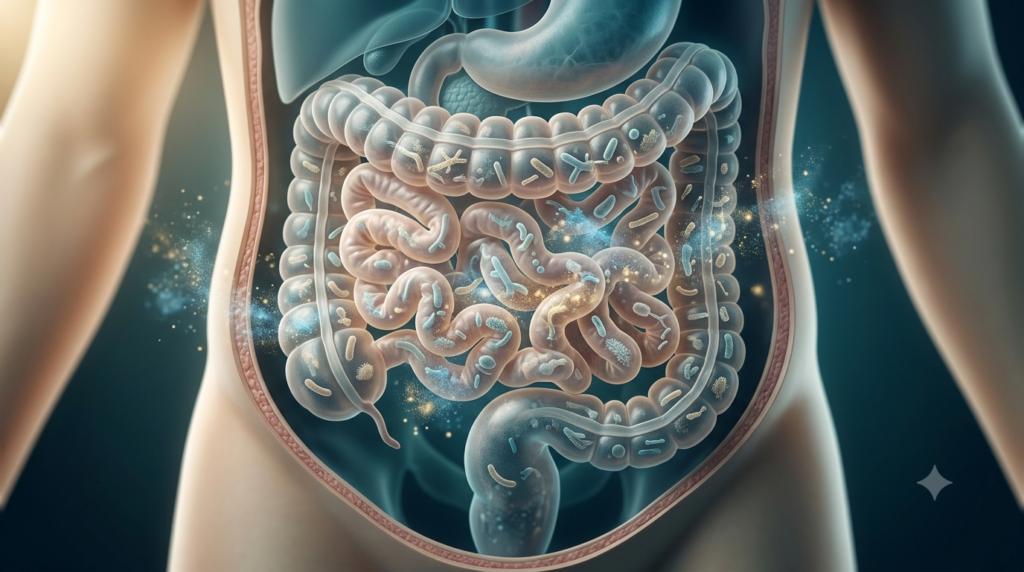
These communities include many different types of microorganisms, including bacteria, viruses, fungi, archaea, and other microscopic life.
Importantly, there isn’t one ideal microbiome that every person should have.
Each individual’s microbial community is shaped by their own biology and experiences. Factors such as early-life development, diet, medications, environment, and lifestyle can contribute to differences between individuals.
This helps explain why two people can eat similar foods yet experience somewhat different digestive responses.
Think ecosystem, not “good versus bad.”
It can be tempting to divide gut bacteria into two simple groups: beneficial bacteria and harmful bacteria.
Real microbiology is much more complicated.
Microorganisms can have different effects depending on their species or strain, their abundance, the other organisms around them, the food available to them, and the environment of the gut.
A healthier way to think about the microbiome is as an ecosystem that needs balance, diversity, and appropriate nourishment rather than as something that needs to be “cleaned out.”
2. Why Does the Gut Microbiome Matter?
Researchers are increasingly studying the relationship between the gut microbiome and human health.
Gut microorganisms interact with dietary components and can produce compounds that influence the intestinal environment and other physiological processes. They also interact with the immune system and participate in metabolic functions.
One area of particular interest is dietary fiber.
Certain gut microorganisms can use components of plant foods as substrates and produce metabolites such as short-chain fatty acids. These microbial products are one reason scientists are interested in the connection between dietary patterns, gut microorganisms, and health.
Research supported by the National Institutes of Health has also shown that different types of dietary fiber can have different effects on gut microorganisms and health-related markers.
However, it is important to keep the science in perspective.
Having a particular bacterium does not automatically mean that a person will experience a particular health outcome. Microbiome research is developing rapidly, and many associations still need stronger evidence to establish cause and effect.
So rather than asking:
“Which bacteria should I increase?”
A more useful everyday question is:
“What habits help create a healthy environment for my gut ecosystem?”
3. What Shapes Your Gut Microbiome?
Your gut microbiome is constantly interacting with its environment.
Several factors can influence its composition and activity.
Diet
Diet is one of the most important factors researchers study.
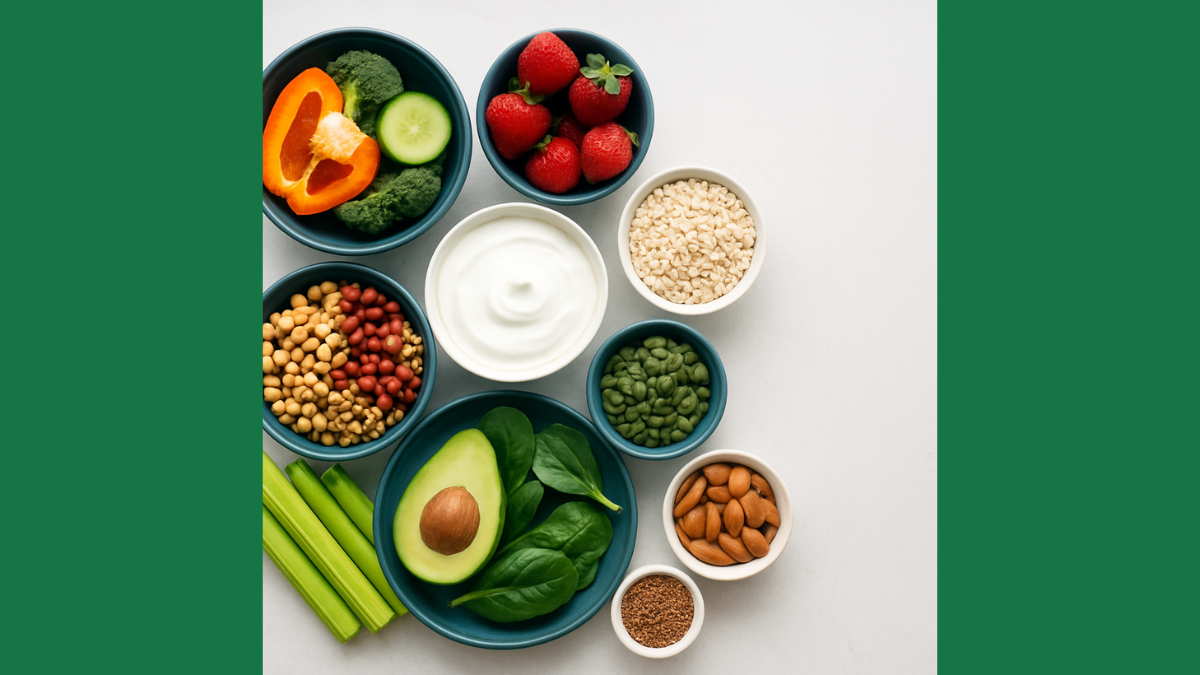
A dietary pattern rich in diverse plant foods provides different types of fibers and other compounds that can be used by different microorganisms.
In a controlled feeding study supported by NIDDK, a diet designed to provide more fiber and other dietary substrates to the gut changed microbial composition, diversity, and function compared with a more processed, lower-fiber dietary pattern.
Medications
Medications can also influence the microbiome.
Antibiotics are a particularly well-studied example because they can affect both disease-causing bacteria and beneficial resident microorganisms. The magnitude and duration of these changes can vary between individuals and between antibiotics.
This does not mean antibiotics should be avoided when medically necessary.
Antibiotics can be essential and lifesaving treatments. The practical lesson is simply that medication exposure is one of many factors that can affect the microbial ecosystem.
Lifestyle and environment
Physical activity, sleep, stress, age, geography, and environmental exposures may also interact with the microbiome.
The relationships are complex, however, and researchers are still working to understand how much each factor contributes and how these effects interact.
4. Gut Microbiome Diversity: Why Variety Matters
When discussing the microbiome, you’ll often hear the word diversity.
In simple terms, microbial diversity describes the variety of microorganisms within a community.
Greater diversity is often considered an important feature of a resilient microbial ecosystem, but diversity alone doesn’t tell the whole story. The identity and function of microorganisms also matter.
For everyday nutrition, one practical principle stands out:
Eat a variety of plant foods rather than relying on one “superfood.”
Different plants contain different combinations of fibers, resistant starches, polyphenols, and other compounds.
That means a meal built around several plant foods can provide a broader range of substrates for the gut ecosystem than repeatedly eating the same small group of foods.
You don’t need to count dozens of plant species every day.
Instead, gradually increase variety across the week.
Try rotating:
- Vegetables
- Fruits
- Beans and lentils
- Whole grains
- Nuts
- Seeds
- Herbs and spice
Think variety over perfection.
5. Foods That Support a Healthy Gut Microbiome
There isn’t one “best” microbiome food.
Instead, focus on an overall dietary pattern that regularly provides the gut with a variety of minimally processed plant foods.
Fiber is one of the most useful nutritional foundations for supporting the gut ecosystem.
Good sources include:
- Oats
- Barley
- Beans
- Lentils
- Chickpeas
- Vegetables
- Fruits
- Nuts
- Seeds
- Whole grains
Different types of fiber can interact with the microbiome differently, which is another reason variety matters.
If your current diet is relatively low in fiber, increase it gradually and drink enough fluids. A sudden large increase may cause temporary bloating or digestive discomfort.
Resistant starch
Resistant starch is found in foods such as legumes, some whole grains, and certain cooked-and-cooled starchy foods.
It can reach the large intestine relatively intact, where microorganisms can use it.
Again, the goal isn’t to chase a single nutrient.
It’s to create a varied dietary environment for the microbiome.
Fermented foods
Fermented foods are produced through desired microbial growth and enzymatic transformation of food components. Examples include yogurt, kefir, kimchi, sauerkraut, and other traditionally fermented foods.
Some fermented foods contain live microorganisms, although not every fermented food should automatically be considered a probiotic.
That’s an important distinction.
6. Probiotics, Prebiotics & Fermented Foods: What’s the Difference?
These terms are often used interchangeably online, but they don’t mean the same thing.
Probiotics
A probiotic is a live microorganism that, when administered in adequate amounts, provides a health benefit to the host.
The effects of probiotics can be strain-specific.
So “probiotics are good for everyone” is an oversimplification.
Different products may contain different organisms, strains, doses, and evidence.
Prebiotics
A prebiotic is a substance that is selectively used by microorganisms and provides a health benefit to the host.
Some prebiotics are dietary fibers, but not all dietary fiber is automatically a prebiotic.
Fermented foods
Fermented foods are foods transformed through microbial activity.
They may contain live microorganisms, but they do not automatically meet the scientific definition of a probiotic.
For most people, it is more useful to think of these categories as different tools within a broader dietary pattern rather than searching for a single “best” gut-health product.
7. Lifestyle Habits That May Support Your Microbiome
Food is important, but your gut ecosystem doesn’t exist separately from the rest of your lifestyle.
Move regularly
Regular physical activity is an important part of overall health and may interact with the gut microbiome.
You don’t need an extreme exercise program.
Walking, resistance training, cycling, swimming, or other enjoyable activities can all contribute to an active lifestyle.
Prioritize sleep
Sleep is another important part of whole-body wellbeing.
Rather than trying to manipulate your microbiome with complicated protocols, start with fundamentals such as maintaining a consistent sleep schedule and creating a relaxing nighttime routine.
Manage chronic stress
Stress and the gut communicate through multiple pathways.
If you’re under persistent stress, simple practices such as regular movement, adequate sleep, time outdoors, breathing exercises, or social connection may be useful additions to a broader wellbeing routine.
Avoid unnecessary “gut resets”
The internet is full of extreme detoxes, restrictive elimination plans, and expensive supplement protocols.
For most people, a better starting point is much simpler:
Eat a varied diet, stay active, sleep well, and avoid unnecessary extremes.

8. What Can Disrupt the Gut Microbiome?
The microbiome is adaptable, but it can also be disturbed.
Antibiotics are one of the clearest examples.
They are designed to target bacteria involved in infections, but they can also affect resident microorganisms. Research shows that antibiotic-related changes can vary substantially depending on the drug, the individual, and the microbial community involved.
Other factors, including dietary patterns, illness, environmental exposures, and medications, can also influence the microbiome.
This doesn’t mean you should fear every change.
The microbiome is dynamic.
Your goal isn’t to freeze it in one supposedly perfect state.
Instead, focus on habits that support overall health and give your microbial ecosystem a favorable environment over time.
9. A Simple Approach to Supporting Your Gut Microbiome
If microbiome science feels overwhelming, simplify it.
Start with these five habits:
1. Add more plant variety
Instead of eating the same vegetables every day, rotate your choices.
2. Choose fiber-rich foods regularly
Include beans, lentils, whole grains, vegetables, fruits, nuts, and seeds.
3. Favor minimally processed foods
Build most meals around recognizable whole or minimally processed ingredients.
4. Include fermented foods if you enjoy them
Yogurt, kefir, kimchi, sauerkraut, and other fermented foods can be part of a varied diet.
5. Build a healthy lifestyle around your food
Regular movement, adequate sleep, stress management, and appropriate medical care all matter.
And remember:
You don’t need a perfect gut. You need sustainable habits.
Key Takeaways
The gut microbiome is a complex and constantly changing ecosystem of microorganisms living in the digestive tract.
Here are the most useful points to remember:
- Your gut microbiome is unique and changes over time.
- Diet is an important influence on the microbial ecosystem.
- Eating a variety of plant foods can provide diverse sources of fiber and other compounds.
- Fiber-rich foods are an important part of a healthy dietary pattern.
- Fermented foods and probiotics are not the same thing.
- Probiotic effects can depend on the specific strain and health outcome being studied.
- Antibiotics can alter the microbiome, but they remain essential when medically indicated.
- You don’t need an extreme “gut reset” to support your digestive health.
- Sustainable eating and lifestyle habits are a better foundation than chasing quick fixes.
The most practical microbiome strategy is surprisingly simple: give your gut ecosystem a diverse, nourishing environment and give your body the broader lifestyle foundations it needs to thrive.
A note from WELLORA Living
Microbiome science is an exciting and rapidly evolving area of research. Many associations between gut microorganisms and health are promising, but not every finding has established a direct cause-and-effect relationship in humans.
If you have persistent digestive symptoms, unexplained weight changes, blood in the stool, severe abdominal pain, or other concerning symptoms, seek appropriate medical evaluation rather than trying to manage the problem solely through diet or supplements.
Medical Disclaimer
This article is for educational and informational purposes only and does not constitute individualized medical advice, diagnosis, or treatment. Always consult a qualified healthcare professional regarding persistent symptoms, medical conditions, medications, or dietary changes that may affect your health.