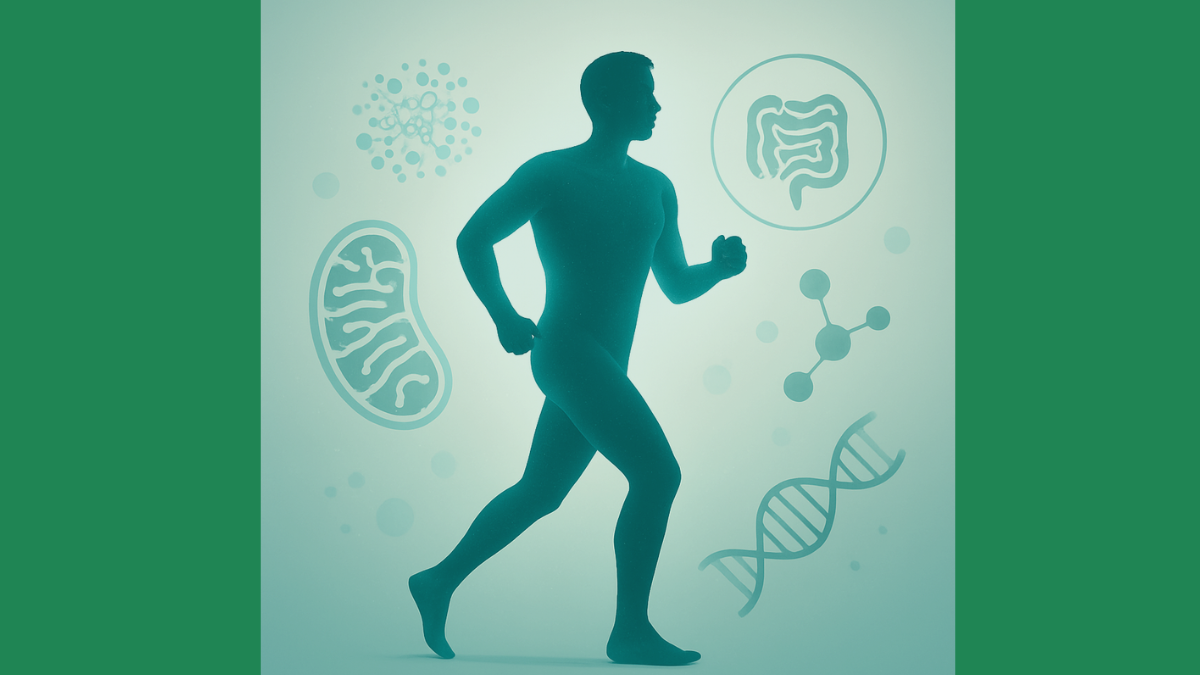
7 Morning Habits for Healthy Longevity: Simple Ways to Start Your Day

BIOHACKING & HEALTHY LONGEVITY
7 Morning Habits for Healthy Longevity: Simple Ways to Start Your Day
Your morning can set the tone for the rest of your day. Simple habits such as getting natural light, moving your body, staying hydrated, eating nourishing foods, and creating a few quiet moments can support a healthier lifestyle over time. The good news? You don’t need a complicated routine—just a few practical habits you can consistently make part of your day.

By Dr. Shivaji Bachhav
Published: [30.08.2026] · Updated: [30.08.2026]
Introduction
A healthy life is rarely built around one perfect habit.
More often, it comes from small actions that are repeated consistently—getting enough sleep, moving regularly, eating nourishing foods, managing stress, and making time for recovery.
Your morning can be a useful place to begin.
A thoughtful morning routine does not need to involve an expensive supplement stack, a complicated workout, or an extreme fasting protocol. In fact, the most useful habits are often the simplest ones: getting some natural light, moving your body, drinking enough fluids, eating well when appropriate, and creating a little space before the demands of the day begin.
These habits are not magic shortcuts to a longer life. Instead, they can support behaviors that contribute to overall health and well-being over time.
In this guide, we will explore 7 morning habits for healthy longevity that are practical, adaptable, and realistic for everyday life.
Why Morning Habits Matter for Healthy Longevity
The value of a morning routine is not that a particular activity has to happen at a particular minute.
The bigger idea is consistency.
Your morning can influence how you approach movement, food, stress, productivity, and recovery throughout the rest of the day. A routine that makes healthy choices easier may therefore be more useful than a complicated routine that is difficult to maintain.
Research on healthy lifestyles consistently points toward the importance of foundational behaviors rather than one isolated intervention. Physical activity, for example, is associated with substantial physical and mental health benefits, while healthier eating patterns are associated with healthier aging.
The goal is therefore not to create a “Perfect” morning.
The goal is to create a morning you can realistically repeat.
1. Start Your Day With Natural Morning Light

One of the simplest morning habits is also one of the easiest to overlook: getting some natural light after waking.
Light is an important signal for the body’s circadian system—the internal timing system that helps coordinate sleep and wakefulness.
Morning light can be particularly useful because appropriately timed light exposure can help shift the timing of the sleep-wake cycle. The National Heart, Lung, and Blood Institute notes that morning light therapy can be used to help move sleep and wake times earlier in certain circadian rhythm disorders.
For everyday life, this does not necessarily mean using a special light device.
You could simply:
- Open your curtains soon after waking.
- Step outside for a short walk.
- Have your morning drink near a bright window.
- Spend a few minutes outdoors before starting work.
The exact timing and amount of light needed can vary, and people with specific sleep or circadian disorders should discuss appropriate strategies with a healthcare professional.
Simple takeaway:
When possible, let natural morning light become part of your daily routine.
2. Move Your Body Early in the Day

You don’t need to complete an intense workout at sunrise.
What matters more is finding a practical way to get your body moving.
Morning movement could include:
- A brisk walk
- Gentle mobility exercises
- Stretching
- Yoga
- Bodyweight exercises
- Cycling
- A short strength-training session
Regular physical activity has well-established benefits for physical and mental health. WHO recommends that adults accumulate 150–300 minutes of moderate-intensity aerobic activity per week, or an equivalent amount of vigorous activity, alongside muscle-strengthening activities on at least two days per week.
But your morning routine doesn’t have to accomplish your entire weekly target.
Even a short walk can be a useful starting point.
Think consistency before intensity.
3. Hydrate Without Turning It Into a “Detox” Ritual
After several hours of sleep, having some water can be a simple way to begin the day.
But there is no need to turn ordinary hydration into an elaborate detox ritual.
Your body already has organs that regulate fluid balance and remove waste. You don’t need a special morning drink to “flush toxins” from your system.
Instead, keep it simple.
Have water when you are thirsty or as part of your normal morning routine, and continue drinking fluids throughout the day according to your individual needs and circumstances.
People with certain medical conditions may have specific fluid restrictions or requirements, so individual medical advice should take priority.
Simple takeaway:
Hydration can be useful without becoming another wellness trend to obsess over.
4. Choose Nourishing Foods—When Breakfast Fits Your Routine
Breakfast does not need to look the same for everyone.
Some people prefer to eat soon after waking. Others may not feel hungry until later.
Rather than treating breakfast as a mandatory longevity ritual, focus on the overall quality of your eating pattern.
A nourishing meal might include combinations of:
- Vegetables or fruit
- Whole grains
- Beans or legumes
- Nuts and seeds
- Yogurt or other nutritious protein sources
- Eggs, fish, or other protein foods depending on dietary preferences
- Healthy unsaturated fats
Research summarized by the NIH has found associations between healthier dietary patterns—including greater intake of fruits, vegetables, whole grains, nuts, legumes and other nutritious foods—and healthier aging outcomes.
The bigger picture matters more than whether you eat at exactly 7:00 a.m.
Build a healthy eating pattern that fits your life.
5. Give Your Mind a Few Quiet Minutes
Your morning doesn’t have to begin with notifications, emails, and social media.
Creating even a few quiet minutes may help you approach the day more intentionally.
You could try:
- Slow breathing
- Meditation
- Journaling
- Prayer or quiet reflection
- Reading
- Sitting outdoors
- Writing down your priorities
There is no requirement to follow a particular mindfulness technique.
The purpose is simply to create a small transition between waking up and being pulled into the demands of the day.
If five minutes is realistic, start with five.
You don’t need a 45-minute morning meditation routine to benefit from creating a little mental space.
6. Plan One Healthy Priority for the Day
This may be the most practical habit on the entire list.
Instead of creating a morning routine containing 15 different health goals, choose one important behavior you want to complete that day.
For example:
“Today I will take a 30-minute walk.”
Or:
“Today I will prepare a balanced lunch instead of ordering fast food.”
Or:
“Today I will stop working early enough to protect my sleep.”
One clear intention can be easier to act on than a long checklist.
And if you complete it consistently, that small behavior can become part of a much larger healthy lifestyle.
7. Protect the Habits That Matter Most
A sophisticated morning routine cannot compensate for consistently poor sleep, inactivity, unhealthy eating patterns, or chronic stress.
This is why the seventh habit is different:
Protect the foundations.
Ask yourself:
- Am I getting enough sleep?
- Am I physically active during the week?
- Am I eating a generally nutritious diet?
- Am I making time for recovery?
- Am I managing stress in healthy ways?
- Am I spending too much of my day sitting?
WHO emphasizes that all movement counts and that some physical activity is better than none.
The same philosophy applies to your morning.
Don’t let the pursuit of an optimized morning distract you from the fundamentals of health.
Morning Habits That Can Backfire
A healthy morning routine can become unhealthy when it turns into another source of pressure.
Be cautious about:
- Waking extremely early despite inadequate sleep
- Following extreme fasting protocols without understanding your needs
- Taking multiple supplements simply because they are trending
- Spending large amounts of money on “longevity” products
- Doing intense exercise when your body needs recovery
- Comparing your routine with influencers online
- Believing that one morning habit can prevent aging or disease
- Turning every wearable measurement into a medical diagnosis
Healthy longevity is not about doing more and more things.
It is about doing the things that matter—and doing them consistently.
A Simple 15-Minute Morning Routine
If your mornings are busy, try this simple version.
Minutes 0–3: Wake and hydrate
Have some water and allow yourself to wake gradually.
Minutes 3–8: Get some natural light
Open the curtains or step outdoors if practical.
Minutes 8–13: Move
Walk, stretch, or perform a few simple mobility exercises.
Minutes 13–15: Choose your priority
Decide on one healthy behavior you want to complete that day.
That’s it.
No complicated protocol.
No expensive equipment.
No perfect routine required.
And if 15 minutes is too much, start with five.
How to Make Morning Habits Sustainable
The best morning routine is not necessarily the most impressive one.
It is the one you can continue.
Start small
Choose one habit rather than changing everything at once.
Connect habits together
For example:
Wake → drink water → open curtains → step outside → walk.
Linking behaviors can make them easier to remember.
Keep your routine flexible
Travel, work schedules, family responsibilities, illness, and other circumstances can change your mornings.
A sustainable routine should be able to adapt.
Focus on consistency, not perfection.
Missing one morning doesn’t erase your progress.
Simply return to the routine the next day.
Don’t confuse complexity with effectiveness.
More supplements, gadgets, tracking devices, and protocols do not automatically create better health.
Sometimes the most powerful change is simply becoming more consistent with a basic healthy behavior.
Your Morning Does Not Need to Be Perfect
Healthy longevity isn’t built in a single morning.
It develops through patterns repeated over months and years.
A morning routine can provide a useful starting point—but it should support your life rather than take it over.
Get some light.
Move your body.
Eat nourishing food when it fits your routine.
Create a little mental space.
Choose one healthy priority.
And protect the foundations of good health.
The goal isn’t to optimize every minute of your morning.
Key Takeaways
- Get natural morning light.
- Move your body.
- Stay appropriately hydrated.
- Choose nourishing foods when breakfast fits your routine.
- Create a few quiet minutes for your mind.
- Choose one healthy priority for the day.
- Protect the foundations of health rather than chasing every new trend.
Start with one.
Make it easy.
Repeat it.
Then build from there.
🌿 A Note About Healthy Longevity and Your Health
This article provides general health and wellness information for educational purposes. Morning habits can support a healthier lifestyle, but they cannot guarantee longer life or prevent specific diseases.
Individual needs vary, particularly for people with medical conditions, medication requirements, pregnancy, sleep disorders, dietary restrictions, or limitations affecting physical activity.
If you have a medical condition or are unsure whether a particular lifestyle change is appropriate for you, speak with a qualified healthcare professional.