
Gut Health for Beginners: 7 Best Evidence-Informed Ways to Support Your Microbiome

Gut Health & Microbiome
Gut Health for Beginners: 7 Best Evidence-Informed Ways to Support Your Microbiome

By Dr. Shivaji Bachhav
Published: [31.08.2026] · Updated: [31.08.2026]
Your gut is home to a vast community of microorganisms that interact with the food you eat and with many aspects of your everyday health. This community, often called the gut microbiome, is influenced by diet, lifestyle, medications, environment, and individual differences.
The good news is that supporting your gut health does not require a complicated “gut reset,” an extreme diet, or a shelf full of supplements.
For anyone exploring gut health for beginners, the most useful approach is to focus on simple, sustainable habits—especially eating a variety of fiber-rich foods, choosing minimally processed foods, and paying attention to how your body responds.
In this guide, we’ll explore 7 evidence-informed ways to support gut health and your microbiome, with practical steps you can gradually incorporate into everyday life.
1. Eat More Fiber-Rich Whole Foods
One of the simplest ways to support your gut microbiome is to include more fiber-rich whole foods in your diet. So, gut health for beginners would be easy to manage.
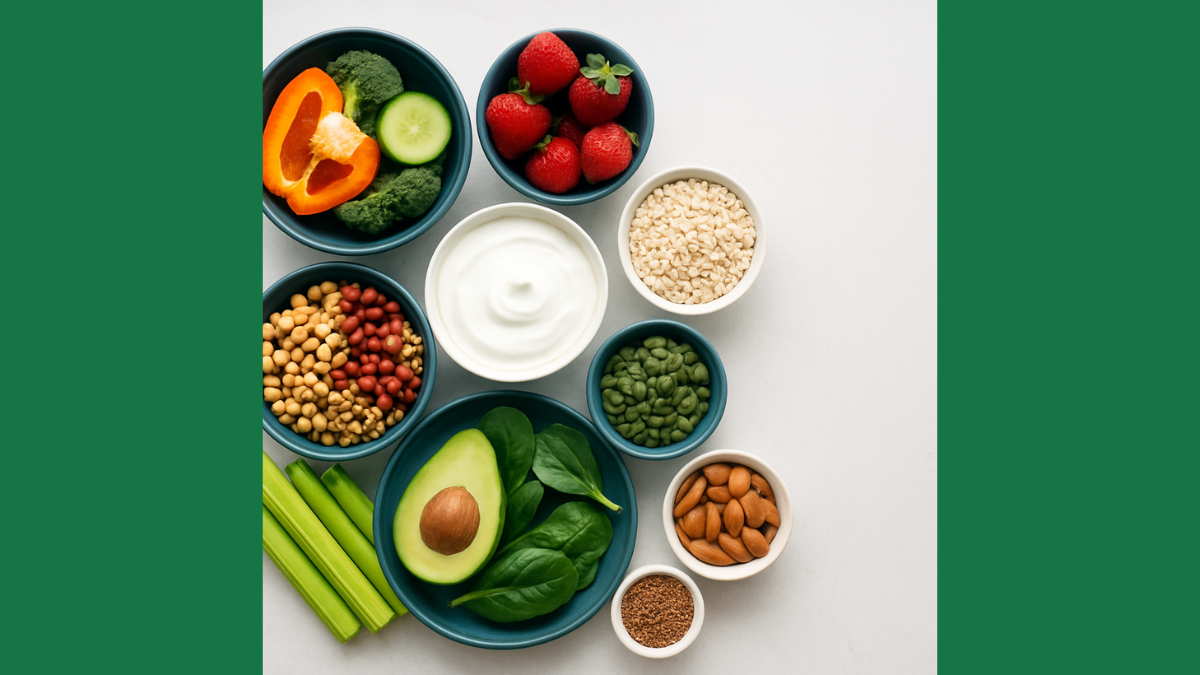
Fiber is found naturally in foods such as vegetables, fruits, beans, lentils, whole grains, nuts, and seeds. Some types of dietary fiber reach the colon largely undigested, where they can be used by gut microorganisms.
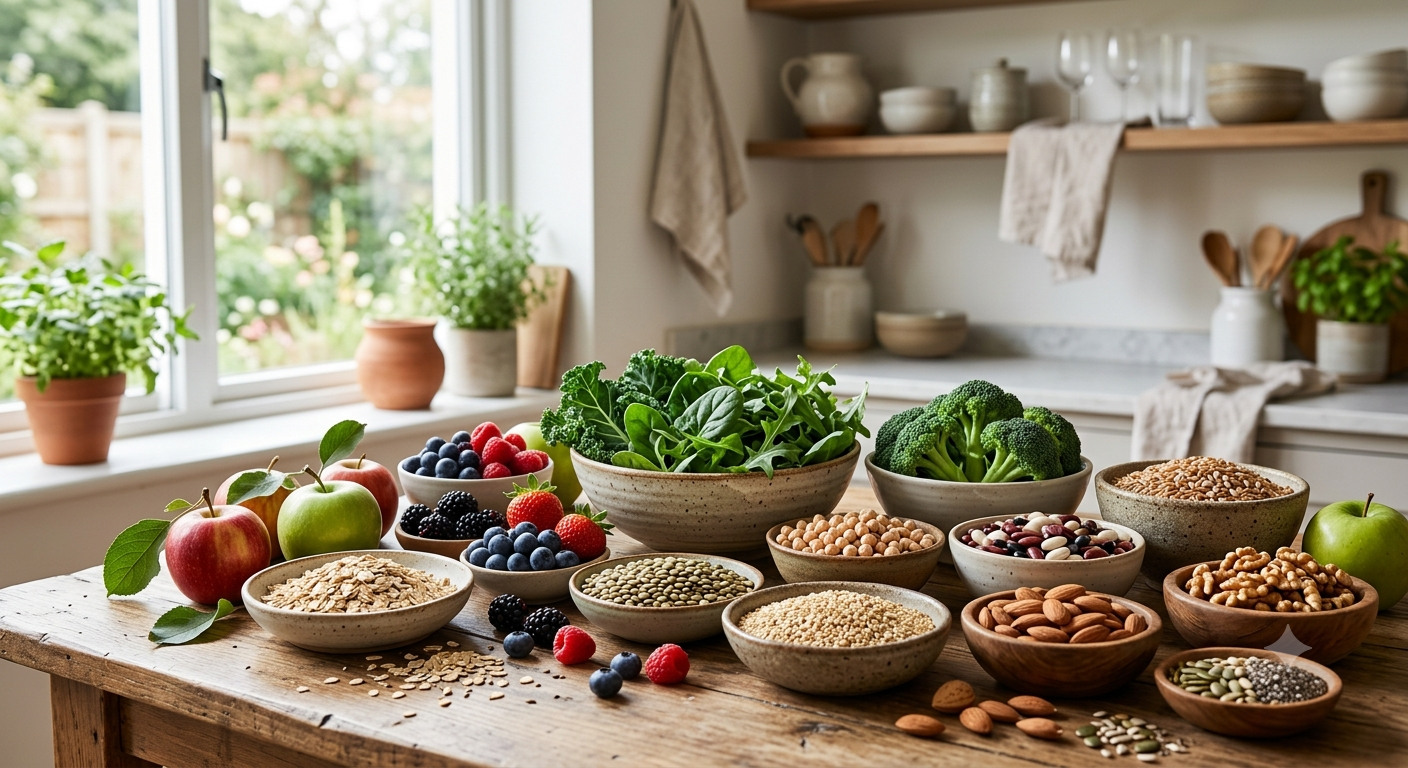
Instead of focusing on a single “superfood,” think about building meals around a variety of whole foods. A bowl of oats with fruit and nuts, a lentil or bean dish, vegetables alongside a meal, or a piece of fruit as a snack can all contribute to a more fiber-rich eating pattern.
A simple place to start: add one additional fiber-rich food to a meal you already eat regularly.
If your current diet is relatively low in fiber, increase it gradually and drink adequate fluids. A sudden large increase may cause temporary bloating or digestive discomfort in some people.
The goal isn’t to create a perfect diet overnight. The goal is to make your everyday meals a little more supportive of your gut, one practical change at a time.
2. Choose a Variety of Plant Foods
Gut health for beginner: a healthy gut microbiome is not supported by fiber alone. The variety of plant foods you eat also matters.
Different plants provide different types of fiber and other compounds that can interact with the microorganisms living in your digestive tract.
Instead of relying on the same few fruits or vegetables every day, try to include a wider range of plant foods across your meals. Vegetables, fruits, beans, lentils, whole grains, nuts, seeds, and other minimally processed plant foods can all contribute to a more diverse eating pattern.
Think variety rather than perfection. You do not need to completely change your diet or buy unusual “superfoods.” A simple way to increase variety is to rotate the foods you already enjoy.
For example, you might have oats with berries and nuts one morning, a lentil or bean-based meal at lunch, and several different vegetables with dinner. Over the course of a week, you can gradually introduce different fruits, vegetables, legumes, whole grains, nuts, and seeds.
A simple place to start:
Choose one plant food you do not normally eat each week and add it to a familiar meal.
This could be a different type of bean, a new vegetable, a whole grain such as barley, or a fruit you have not tried recently.
The goal is not to count every plant food or follow a complicated microbiome diet. The goal is to make your overall eating pattern more varied, balanced, and sustainable.
3. Include Fermented Foods When They Suit You
Fermented foods can be another simple way to add variety to your diet. Foods such as plain yogurt, kefir, sauerkraut, kimchi, and other traditionally fermented foods contain microorganisms or fermentation products that may interact with the digestive system.
However, fermented foods are not a requirement for a healthy diet. Different people tolerate different foods differently, so the best choices are the ones that fit comfortably into your usual eating pattern.
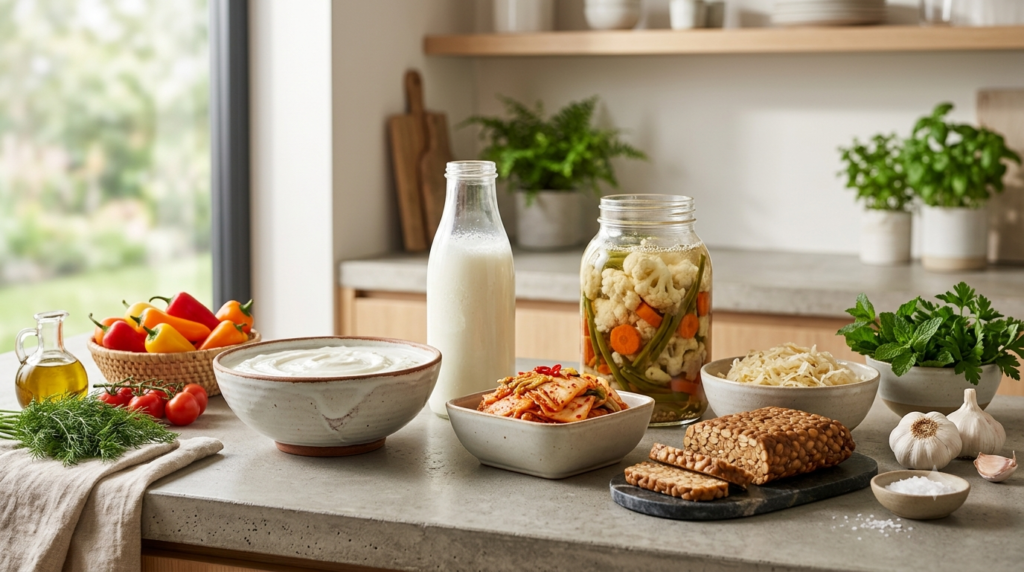
If you already enjoy fermented foods, consider including them regularly rather than treating them as a special “gut health” remedy. Plain yogurt or kefir can be added to breakfast, while fermented vegetables can be served alongside a meal.
Start with foods you already know and tolerate well. If you are new to fermented foods, a small serving is a reasonable place to begin.
It is also worth paying attention to the product itself. Some commercially available fermented foods can contain substantial amounts of added sugar or sodium. Checking the ingredient list and nutrition information can help you choose options that fit your overall dietary needs.
A simple place to start:
Choose one fermented food you enjoy and tolerate well, and include a small serving with a meal a few times a week.
You do not need expensive probiotic products or a complicated “gut reset” routine to begin. Simple, familiar foods can be a practical part of a balanced eating pattern.
These simple strategies make gut health for beginners easier to understand and apply in everyday life
4. Include Prebiotic-Rich Foods
Prebiotic-rich foods provide types of dietary fiber and other compounds that can be used by certain microorganisms in the gut. They are naturally found in many everyday plant foods, so you do not need a special supplement or complicated diet to include them.
Foods such as onions, garlic, leeks, asparagus, bananas, oats, beans, and legumes can contribute prebiotic fibers to your eating pattern. Different foods contain different types of fiber, which is another reason that dietary variety can be useful.
Rather than searching for one “best” prebiotic food, think about including a mixture of plant foods across the week. A varied diet gives you more opportunities to provide different types of fibers and plant compounds to your gut microbiome.
If you are not used to eating many high-fiber foods, increase them gradually. A sudden increase in fiber may cause temporary gas or bloating in some people.
A simple place to start:
Add one prebiotic-rich food to a meal you already eat regularly.
For example, you could add oats or a banana to breakfast, beans or lentils to lunch or dinner, or onions and garlic to a home-cooked meal.
The goal is not to follow a perfect “prebiotic diet.” The goal is to gradually build a more varied, fiber-rich eating pattern that works for you.
5. Limit Ultra-Processed Foods Without Chasing Perfection
Supporting your gut does not mean you have to eliminate every packaged or processed food from your diet. The bigger picture is the overall pattern of what you eat.
Many minimally processed foods—such as frozen vegetables, canned beans, plain yogurt, and whole-grain foods—can be convenient and nutritious. Processing itself is not automatically a problem.
At the same time, diets that contain a large amount of highly processed foods may leave less room for fiber-rich whole and minimally processed foods. A practical approach is to focus on what you can add rather than creating a long list of foods you must avoid.
Instead of thinking in terms of “good” and “bad” foods, look at your usual meals. Could a packaged snack sometimes be replaced with fruit and nuts? Could a refined grain be replaced with a whole-grain option? Could you add vegetables or beans to a meal you already enjoy?
A simple place to start:
Choose one meal or snack each day and make it a little more whole-food focused.
You might add fruit to breakfast, vegetables to lunch, beans or lentils to dinner, or nuts and seeds as a snack.
Small, repeatable changes are more useful than trying to follow a perfect diet for a few days and then abandoning it.
Your gut health is influenced by your overall dietary pattern, so aim for consistency, variety, and balance—not perfection.
6. Stay Well Hydrated
Water is an important part of healthy digestion. Your body uses fluids throughout the digestive process, and adequate hydration also helps keep stools softer and easier to pass.
You do not need a special “gut health” drink or an expensive beverage to support this habit. For most people, plain water is a simple and practical choice.
Your fluid needs can vary depending on factors such as activity level, climate, diet, and individual circumstances. Instead of becoming overly focused on a specific number, pay attention to your thirst and your usual hydration habits.
Drinks such as tea or coffee can also contribute to overall fluid intake, although individual tolerance and personal dietary needs vary.
A simple place to start:
Keep water easily available during the day and drink regularly rather than waiting until you feel very thirsty.
You can make this easier by keeping a reusable water bottle nearby, drinking water with meals, or having a glass of water when you begin your morning.
If you eat more fiber than you previously did, maintaining adequate fluid intake is especially useful because fiber and fluids work together to support normal bowel function.
The goal is not to force yourself to drink excessive amounts of water. The goal is to develop a simple hydration habit that fits naturally into your everyday routine.
7. Listen to Your Gut and Personalize Your Approach
Gut health is not a one-size-fits-all process. The foods and habits that work well for one person may not feel the same for another. Your digestive comfort can be influenced by your usual diet, eating patterns, lifestyle, and individual tolerance.
Instead of constantly searching for the next “gut health” trend, pay attention to how your body responds to the habits you are building. A food that is nutritious in general may still not suit you personally, while another simple food may fit comfortably into your routine.
This does not mean you need to monitor every digestive sensation or follow a restrictive diet. The goal is to notice patterns without becoming overly focused on them.
For example, if you introduce more fiber, plant foods, or fermented foods, make changes gradually and give yourself time to see how you respond. Keeping your meals relatively consistent can also make it easier to recognize whether a particular change seems helpful or uncomfortable.
A simple place to start:
Choose one gut-supportive habit from this guide and practice it consistently for the next week.
It could be eating a wider variety of plant foods, adding a prebiotic-rich food to a familiar meal, including a fermented food you tolerate well, or simply becoming more consistent with hydration.
Then ask yourself:
Does this feel practical?
Does it fit my routine?
Do I tolerate it well?
If the answer is yes, keep building from there.
Healthy gut habits are not about perfection. They are about consistency, variety, and finding an approach that you can realistically maintain over time.
That is why simple strategies make gut health for beginners easier to understand and apply in everyday life
A Simple Approach to Better Gut Health
You don’t need a complicated gut-health routine. Start with simple, evidence-informed habits, introduce changes gradually, and build a pattern that works for you.
Supporting your gut microbiome does not require a perfect diet or an expensive collection of supplements. The most useful changes are often simple ones that you can repeat: eating a wider variety of plant foods, including fiber-rich and prebiotic foods, choosing fermented foods when they suit you, staying hydrated, and making room for minimally processed foods.
The best approach to gut health is not about chasing the newest trend or following a rigid set of rules. It is about building a balanced, varied, and sustainable eating pattern that supports your overall well-being. Start with one or two simple changes, give yourself time to adapt, and build from what works for you.
For gut health for beginners, consistency matters more than following a complicated diet or chasing a single “superfood.”
So, the goal of gut health for beginners is not perfection, but building a varied, sustainable eating pattern that supports overall well-being.



What a refreshingly balanced guide — the emphasis on variety and consistency over perfection is exactly the message gut health needs. I especially appreciated the practical framing of adding just one additional fiber-rich food to a meal you already eat; that’s far more sustainable than an overhaul. The hydration reminder is underrated too, since fiber without fluids rarely feels good.