Gut HEALTH & Microbiome
Understanding the Gut Microbiome

By Dr. Shivaji Bachhav
Published: [23.06.2026] · Updated: [31.08.2026]
Introduction
The human digestive tract is home to a vast community of microorganisms collectively known as the gut microbiome. These microscopic organisms include bacteria, fungi, viruses, and other microbes that interact with one another and with the human body.
Far from being passive passengers, these microbes participate in digestion, help process certain components of food, interact with the immune system, and produce compounds that can influence the environment inside the gut.
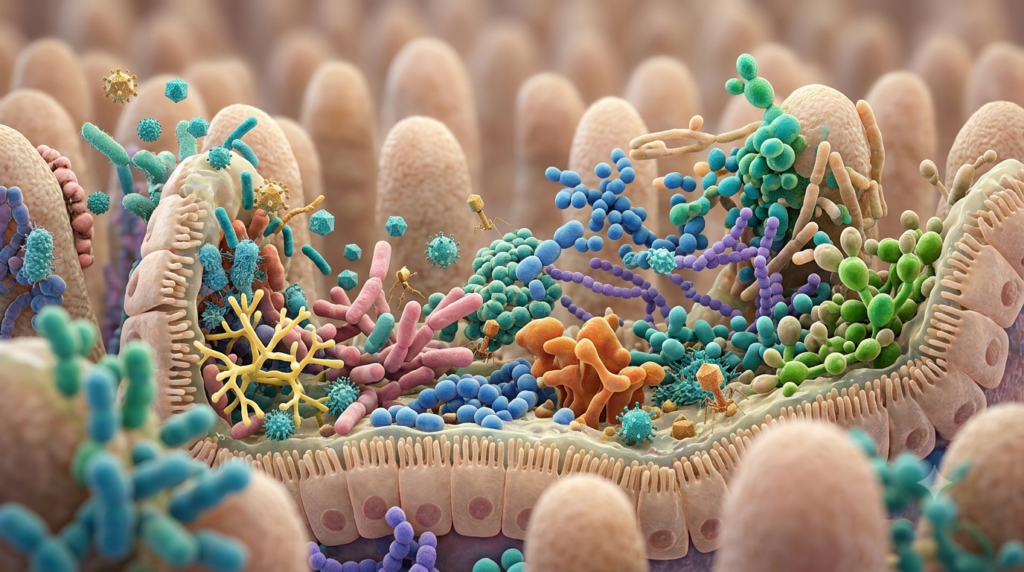
The gut microbiome is also highly individual. Diet, environment, medications, lifestyle, and other factors can influence which microorganisms live in the digestive tract and how they function.
Understanding the gut microbiome doesn’t mean trying to create a “perfect” collection of bacteria. Instead, it means understanding the ecosystem and adopting everyday habits that support a diverse and resilient gut environment.
🦠
GUT HEALTH HUB
This article is part of our Gut Health & The Microbiome Hub, where you’ll find evidence-based guides on digestive wellness, the gut microbiome, nutrition, probiotics, prebiotics, and practical lifestyle strategies to support long-term gut health.
What Is the Gut Microbiome?
The gut microbiome refers to the community of microorganisms and their genetic material living in the digestive tract, particularly in the intestines.
You may also hear the term gut microbiota. While the terms are often used interchangeably, microbiota generally refers to the microorganisms themselves, while microbiome can refer more broadly to the microorganisms and their genetic material.
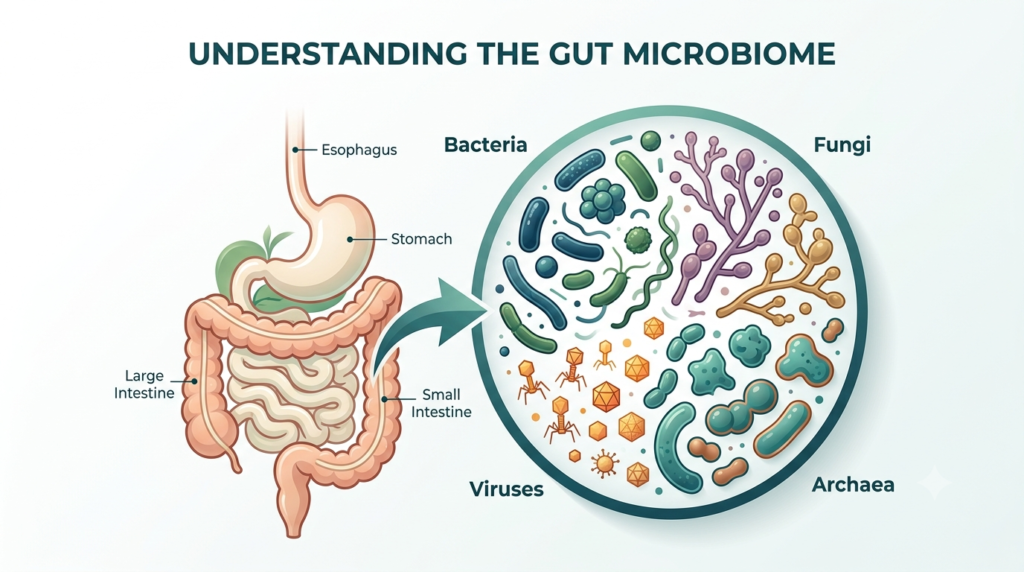
The gut contains many different types of microorganisms, including:
- Bacteria
- Fungi
- Viruses
- Archaea
- Other microscopic organisms
Importantly, there is no single “ideal” microbiome that every person should have. Each person’s microbial community is shaped by many factors, including diet, environment, genetics, medications, and lifestyle.
Think ecosystem rather than good versus bad bacteria.
A healthy approach is not to eliminate every microorganism considered “bad.” Instead, the goal is to support a balanced microbial ecosystem that can function effectively alongside the body.
Why Does the Gut Microbiome Matter?
The gut microbiome is closely connected with several important biological processes.
Digestion
Some components of plant foods, particularly certain fibers and resistant starches, cannot be fully digested by human enzymes. Gut microorganisms can ferment these compounds and produce metabolites such as short-chain fatty acids.
Nutrient metabolism
Gut microorganisms participate in the processing of nutrients and food components and can contribute to the production or transformation of certain compounds.
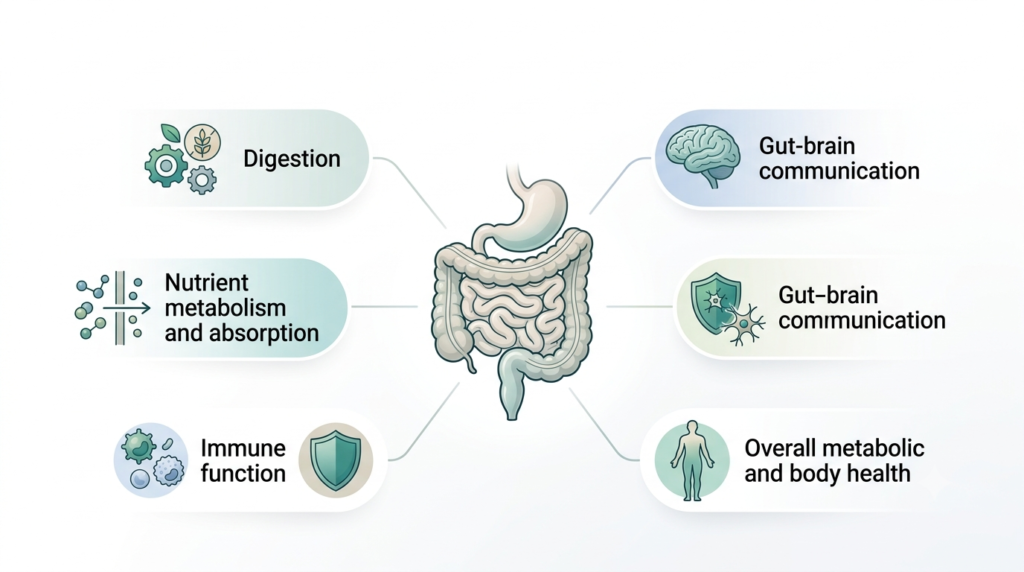
Immune function
The digestive tract is an important site of immune activity. Interactions between intestinal microorganisms and the immune system are an active area of scientific research.
Protection from unwanted microbes
A diverse microbial community can help create an environment in which potentially harmful microorganisms have greater difficulty establishing themselves.
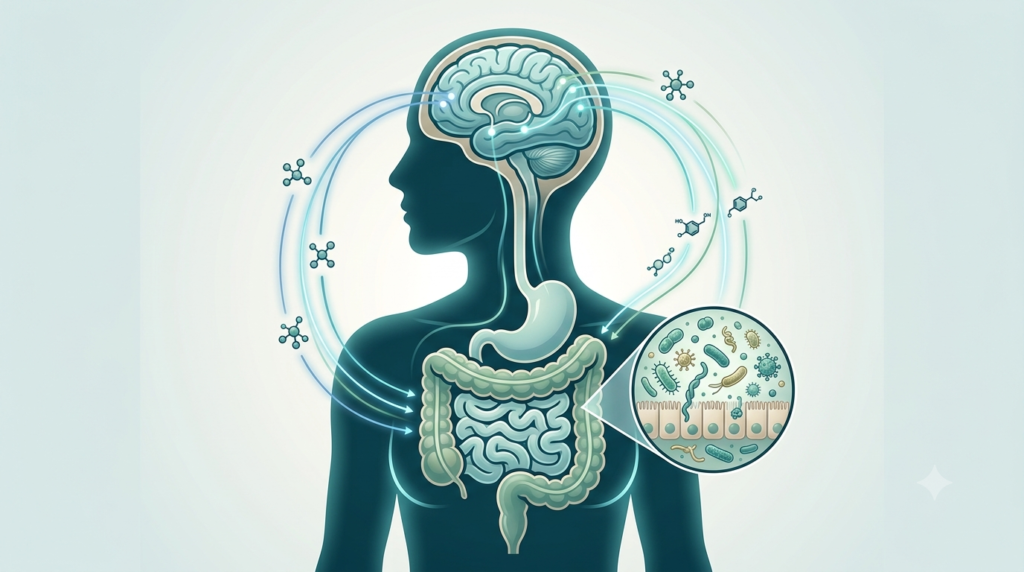
Gut-brain communication
Researchers are also studying communication between the digestive system, its microorganisms, and the nervous system. The gut-brain relationship is complex and still being investigated.
What Shapes the Gut Microbiome?
Your gut microbiome is not fixed. It can change over time in response to multiple influences.
Diet
Diet is one of the most important factors influencing the microbial environment in the gut.
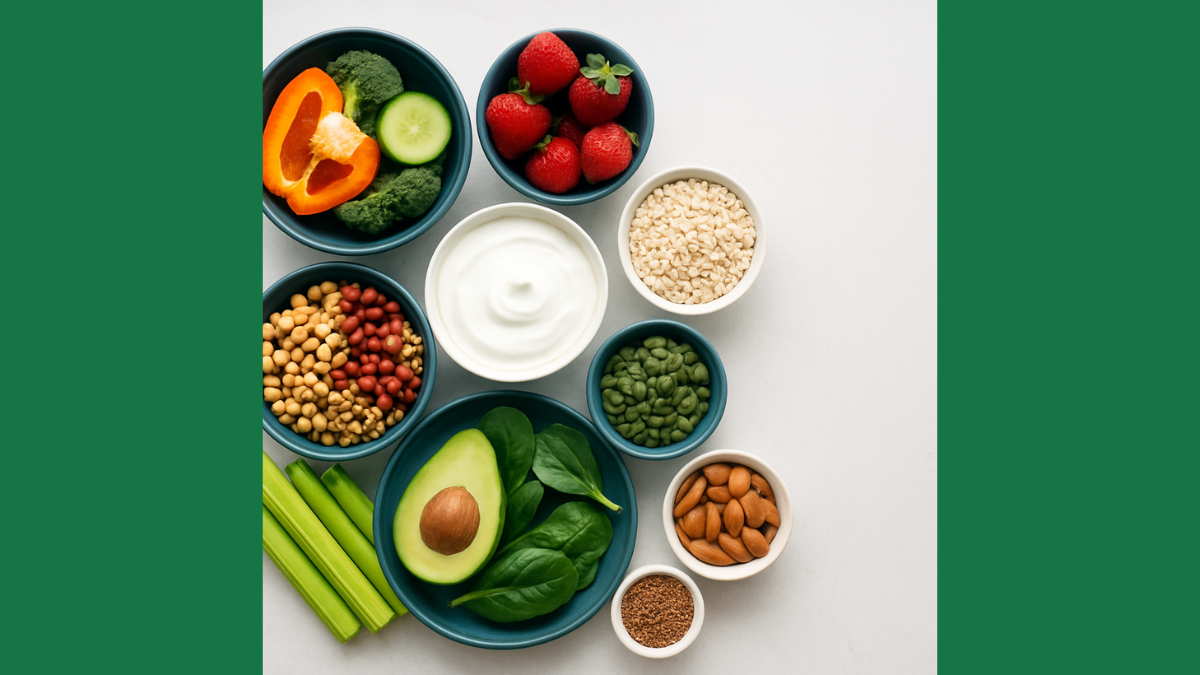
A varied diet containing vegetables, fruits, legumes, whole grains, nuts, and seeds provides different types of fibers and other compounds that can be used by gut microorganisms.
Rather than focusing on one “superfood,” think about dietary diversity.
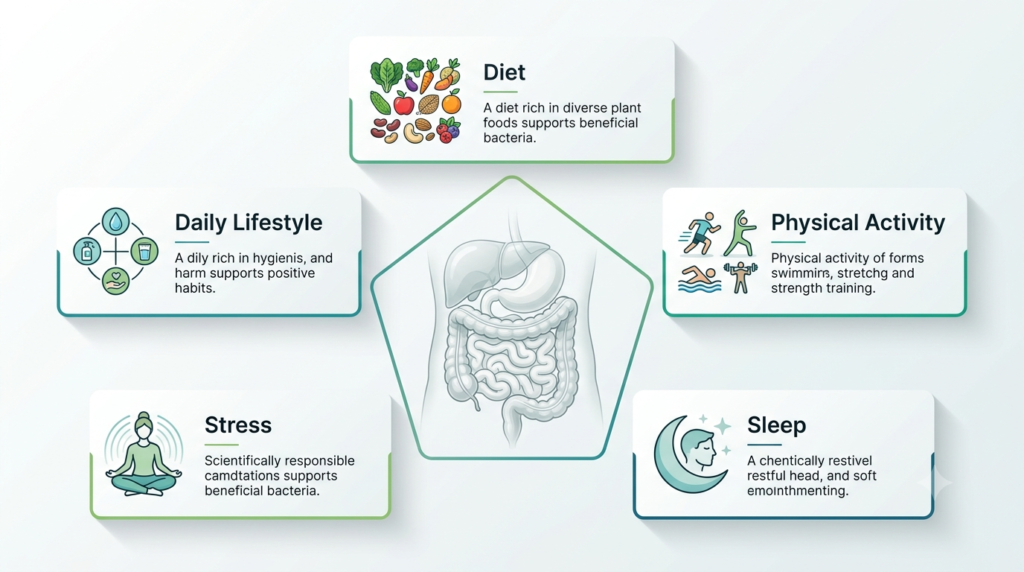
Physical Activity
Regular physical activity supports overall health and may influence the gut environment through changes in metabolism and other physiological processes.
Exercise should therefore be viewed as part of an overall healthy lifestyle rather than as a treatment for an unhealthy microbiome.
Sleep
Sleep affects many physiological systems, and maintaining a consistent sleep routine is an important part of overall health.
The relationship between sleep and the gut microbiome is an emerging area of research, so it is better to focus on healthy sleep habits rather than making strong claims about specific microbial changes.
Stress
The digestive system and nervous system communicate continuously.
Persistent stress can influence digestive function and how a person experiences gastrointestinal symptoms. Stress management therefore deserves a place alongside nutrition, movement, and sleep in a gut-friendly lifestyle.
7 Evidence-Informed Ways to Support Your Gut Microbiome
You don’t need an expensive supplement routine to start supporting your gut.
Begin with simple, sustainable habits.
1. Eat a Wider Variety of Plant Foods
Aim for variety rather than repeatedly eating the same few foods.
Rotate different vegetables, fruits, legumes, whole grains, nuts, and seeds throughout the week.
Different plant foods provide different types of fiber and other compounds that can interact with the gut microbial community.
2. Increase Fiber Gradually
Fiber-rich foods are important sources of fuel for many gut microorganisms.
Good options include:
- Beans and lentils
- Oats and other whole grains
- Vegetables
- Fruits
- Nuts
- Seeds
If your current diet is low in fiber, increase it gradually and drink enough fluids. A sudden increase may cause temporary bloating or gas in some people.

3. Include Fermented Foods If You Tolerate Them
Foods such as yogurt with live cultures, kefir, kimchi, sauerkraut, and some other fermented foods may contain beneficial microorganisms.
However, not every fermented food automatically contains probiotics. Processing methods such as heating or pasteurization can reduce or eliminate live microorganisms.
So focus on foods you tolerate well rather than assuming every fermented product has the same effect.
4. Stay Hydrated
Adequate fluid intake supports normal digestive function and works alongside fiber to help maintain comfortable bowel habits.
Your individual fluid needs can vary depending on factors such as activity, climate, diet, and health status.
5. Move Your Body Regularly
Regular physical activity is one of the simplest ways to support overall health.
Walking, cycling, swimming, strength training, or another activity you enjoy can help make movement a sustainable part of your routine.
6. Prioritize Consistent Sleep
Instead of searching for a complicated “gut reset,” start with basic sleep hygiene.
Try to maintain a relatively consistent sleep and wake schedule and create a relaxing bedtime routine.
7. Manage Stress
Gut health is not only about food.
Breathing exercises, mindfulness, time outdoors, social connection, enjoyable hobbies, and regular physical activity can all be useful components of a broader stress-management routine.
What About Probiotic Supplements?
Probiotics receive enormous attention in the wellness industry, but they are not a universal solution for everyone.
Different probiotic products contain different strains, doses, and combinations, and research findings can vary depending on the specific strain and health condition being studied.

For general gut support, it makes sense to start with foundational habits such as a varied, fiber-rich diet, regular movement, adequate sleep, and appropriate hydration.
If you’re considering a probiotic supplement for a specific digestive condition, discuss the choice with a qualified healthcare professional rather than assuming that every probiotic product works in the same way.
Can You “Reset” Your Gut Microbiome?
You may see products online promising to reset, cleanse, detox, or completely rebuild your gut microbiome.
Be cautious with these claims.
Your microbiome is a complex ecosystem, not something that needs to be completely “flushed out” and replaced.
Instead of extreme cleanses or restrictive diets, focus on sustainable habits that support your overall health.
A varied diet, adequate fiber, regular physical activity, good sleep, and stress management are much more sensible long-term foundations.
When Should You Talk to a Healthcare Professional?
Changes in digestion are common, but persistent or concerning symptoms should not simply be attributed to the gut microbiome.

Talk with a qualified healthcare professional if you experience ongoing digestive symptoms, unexplained weight loss, blood in the stool, persistent vomiting, severe or worsening abdominal pain, significant changes in bowel habits, or other symptoms that concern you.
A microbiome-focused wellness routine should complement appropriate medical care, not replace it.
Key Takeaway
The gut microbiome is a dynamic ecosystem that interacts with digestion, nutrition, immunity, and many other aspects of human biology.
You don’t need to make your routine complicated.

Start with the basics:
- Eat a diverse range of plant foods.
- Increase fiber gradually.
- Include suitable fermented foods if tolerated.
- Stay adequately hydrated.
- Move regularly.
- Prioritize quality sleep.
- Find practical ways to manage stress.
The goal isn’t to create a “perfect” microbiome.
The goal is to build everyday habits that support a healthy digestive environment over time.
Continue Learning
You might also enjoy: